

What to Ask at Your First Radiation Visit
A calm guide for those who want to feel informed, prepared, and less overwhelmed

On Human Context — The Musings of an Oncologist | Reflections on medicine, meaning, resilience, and the lives we carry forward…
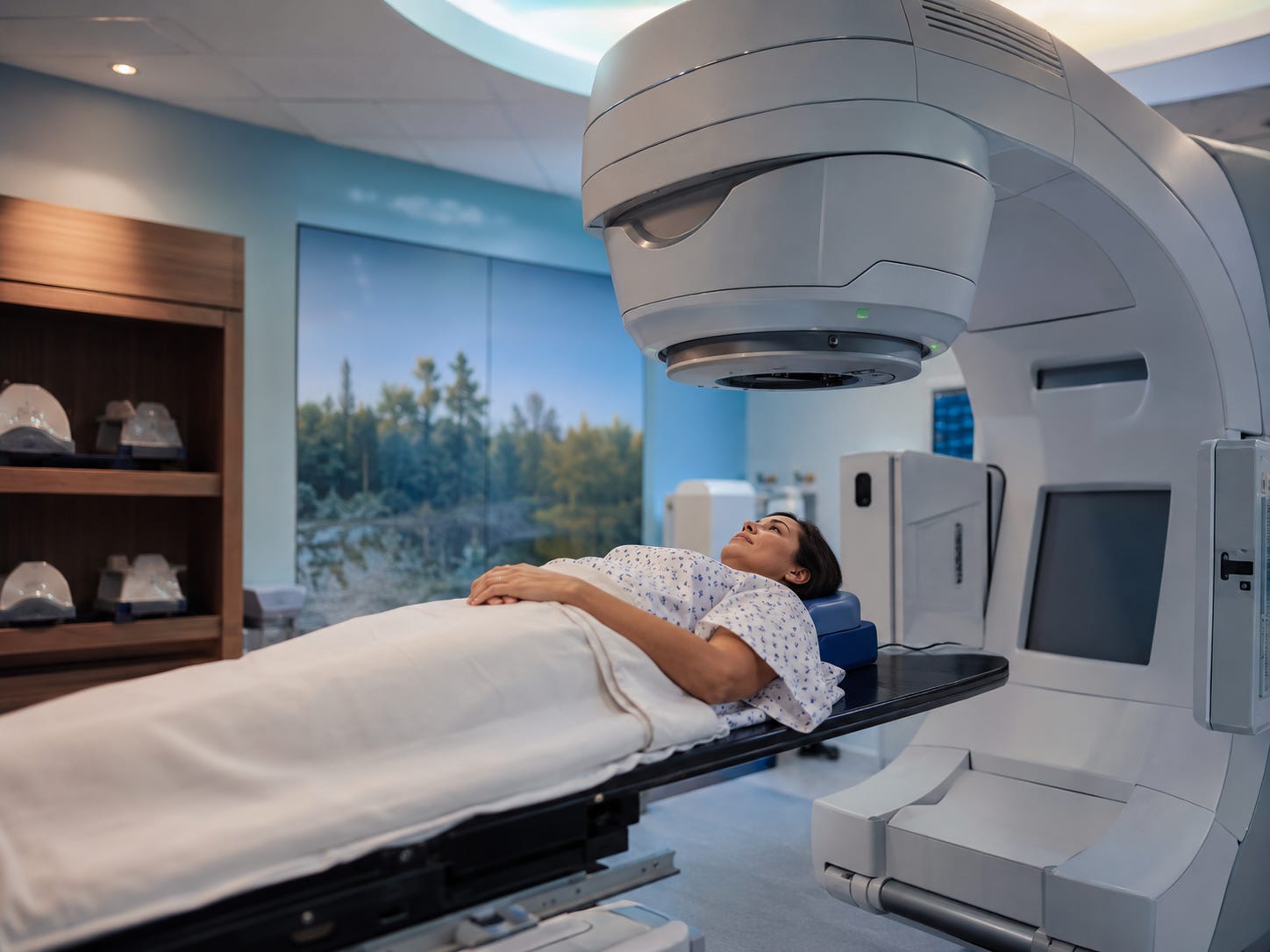
Hearing that you may need radiation treatment can stir up all kinds of emotions.
Even strong, educated, capable people — the ones who manage households, lead teams, care for others, and keep life moving — can feel suddenly unsure when cancer enters the conversation.
And when the word radiation comes up, it can sound scary, mysterious, or more intense than it really is.
Over the years, I have cared for patients in both military and civilian settings, and one thing I have seen again and again is this:
Fear often grows in the space where clear information is missing.
Your first radiation visit is not just about machines, schedules, or medical terms. It is a chance to better understand your treatment, ask honest questions, and begin feeling more grounded about what comes next.
So if you are heading into that first visit feeling nervous, here are some questions I want you to know you are allowed to ask.
First, take a deep breath
Your first radiation oncology visit is usually a consultation, not your first treatment day.
That visit is often focused on:
reviewing your diagnosis and medical history
discussing why radiation is being recommended
talking about benefits, side effects, and timing
answering your questions
helping you understand the road ahead
You do not have to walk in knowing all the right words.
You do not have to impress anyone.
You do not have to pretend you are less afraid than you are.
You simply need to come ready to listen, ask, and learn.
Fear often grows in the space where clear information is missing.
Questions to ask at your first radiation visit

1. Why do I need radiation?
This is one of the most important questions.
Radiation is not recommended for every cancer or every person in the same way. Ask your doctor to explain why radiation is being advised in your specific case.
You may want to ask:
Is radiation being used to reduce the risk of cancer coming back?
Is it being recommended after surgery?
Is it being used to treat a known area of disease?
Is it being used to help with symptoms?
Knowing the purpose of treatment can ease a lot of anxiety.
2. What is the goal of my treatment?
This question sounds simple, but it matters.
Is the goal cure, control, or symptom relief?
When you understand the goal, treatment may feel less like something that is just being done to you and more like a thoughtful part of your overall plan.
3. How many treatments will I need?
Not every radiation plan looks the same.
Some people need only a few treatments. Others may need several weeks. Ask:
How many treatments are planned?
How often will I come in?
How long does each visit usually take?
When will treatment likely start?
This helps you prepare emotionally, physically, and practically.
4. What side effects should I expect during treatment?
Please ask this plainly.
You deserve a realistic answer, not a rushed summary.
Side effects depend on the area being treated. Treatment to the breast is different from treatment to the pelvis, lung, brain, prostate, head and neck area, or another part of the body.
Depending on your treatment area, side effects may include fatigue, skin irritation, soreness, swallowing changes, bowel or bladder symptoms, or other concerns.
Ask your team:
What side effects are common?
What side effects are less common but important to know?
What symptoms should make me call the office?
5. What side effects could show up later?
This question is just as important as asking about the short-term effects.
Some side effects improve quickly after treatment, while others may take longer to settle or can appear later after the treatment is completed. That does not mean you should panic. It simply means you should understand the full picture. Knowing what to expect will take away the surprise factor. If you are prepared, then you will know what to do. Some patients may not notice any side effects from treatments.
However, I want you to know that asking about long-term effects is not being negative. It is being informed.

6. What can I do to take care of myself during treatment?
This is such a helpful question because it moves you from fear into action.
Ask your radiation oncologist and care team what they recommend for:
skin care
fatigue
exercise
hydration
nutrition
clothing
products to avoid
daily routines
You do not have to figure everything out by yourself. Your team should help guide you.
7. Will treatment affect my work, energy, or daily routine?
Many people are trying to balance cancer treatment with work, caregiving, appointments, travel, church, family responsibilities, and everyday life.
Ask what you can realistically expect.
Some patients do very well during treatment and continue most of their usual routine. Others need more rest, more support, or schedule adjustments.
There is no prize for pushing yourself too hard.
Plan ahead where you can. Accept help where you need it. And give yourself grace.
8. What symptoms should make me call you/office immediately?
Do not leave this part vague.
Ask:
What is considered expected?
What would be concerning?
Who do I call during office hours?
Who do I call after hours, if needed?
Knowing when and how to reach out can reduce panic and help you feel more secure.
9. Are there long-term quality-of-life concerns I should know about?
This question matters, especially when you are thinking beyond treatment and into survivorship.
Depending on the area treated, you may want to ask about:
skin changes
scarring or fibrosis
swelling or lymphedema
bowel or bladder changes
sexual health
fertility concerns
menopause symptoms
fatigue
pain or stiffness
Not every person will experience these things, but they are worth discussing.
Your quality of life matters too.
10. What follow-up happens after radiation is over?
Many patients are surprised by how emotional the end of treatment can be.
You spend time preparing, showing up, adjusting your routine, and doing what needs to be done. Then one day, treatment ends.
That can bring relief.
But it can also bring uncertainty.
Ask:
When will my follow-up visits happen?
What symptoms should I keep monitoring?
What should recovery look like?
Which doctor should I contact for different concerns?
Will I need scans, labs, or exams after treatment?
Survivorship is part of the care plan, not an afterthought.
This video on what follow-up template/blueprint to anticipate has proven to be useful to many. Watch HERE
A few practical things to bring with you

You may be experiencing symptoms. Be sure to make a note of duration of symptoms, location, etc., If possible, bring:
a trusted support person, if allowed and helpful
a notebook or notes app [see our BREAST Cancer Journal HERE and Prostate Cancer Guide HERE]
a list of your questions
your medication list
a list of symptoms you are having, including when they started and where they are located
And please do not be embarrassed to write things down.
Anxiety can make even simple information harder to remember. That is normal. Write it down, ask again, and take your time.
One more thing I want you to remember…
You are allowed to ask for an explanation again.
You are allowed to say, “I don’t understand.”
You are allowed to ask, “Can you explain that in plain language?”
You are allowed to ask, “Can you show me a picture?”
You are allowed to pause and write things down.
You are allowed to advocate for yourself.
This is your body.
This is your care.
This is your life.
Being informed does not take away every fear, but it can make the path feel less lonely and more manageable.
Final thoughts
Your first radiation visit is not about having all the answers.
It is about beginning the conversation with clarity, honesty, and enough information to help you take the next step with a little more peace.
If you are preparing for that first appointment, I hope this helps you walk in feeling more settled, more confident, and more empowered to ask what matters.
And if you know someone who may be facing radiation soon, please share this with them.
Sometimes the right question can make all the difference.
---
This content is for general educational purposes only and is not a substitute for individualized medical advice from your treating physician.
Until next time — live, laugh, and love on purpose.
Your family-friendly cancer doctor,
Queen
https://Q4CD.com
https://clarity.Q4CD.com